Research Results and
Recommendations for Download


Saturday, October 18—Day 5
○ Activities of Day 5
- (Optional) Guided tour of A-bombed survivor trees at Hiroshima Castle
- Presentation of learning outcomes (public session)
The five-day program of the Hiroshima-ICAN Academy finally reached its final day. Early in the morning, interested participants gathered and visited Hiroshima Castle to see A-bombed survivor trees.
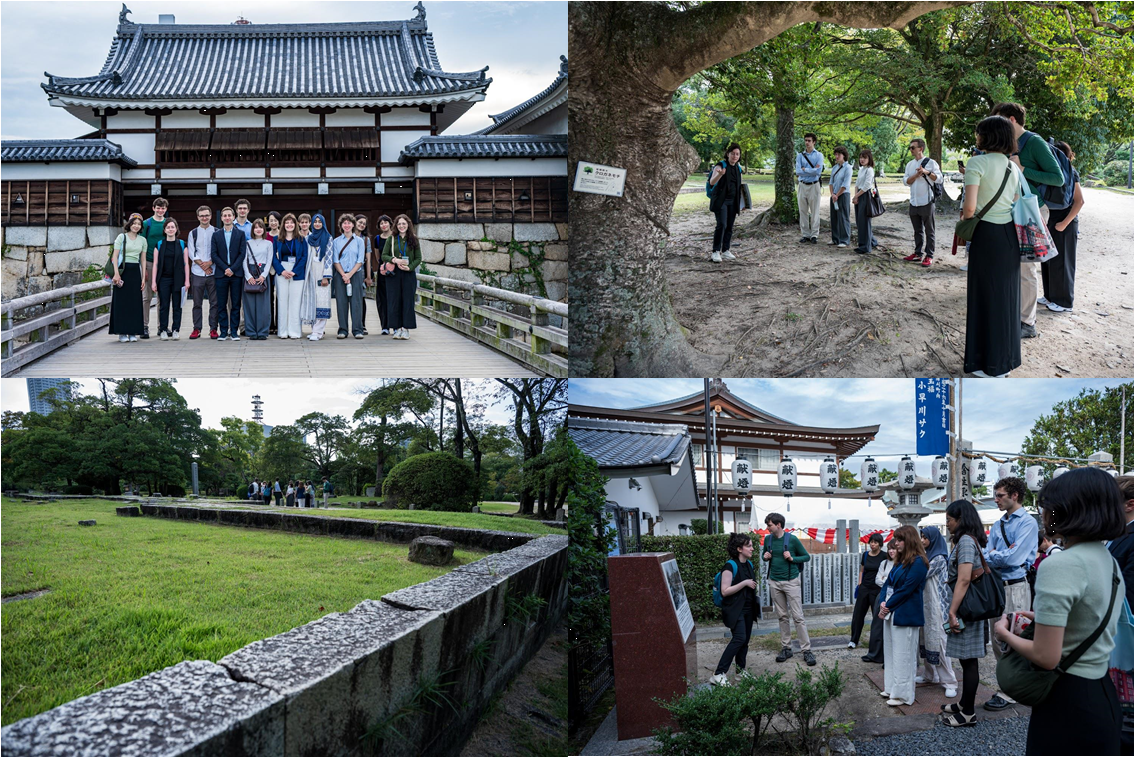 Participants touring the atomic bomb-affected trees and structures within Hiroshima Castle
Although the castle and surrounding areas were reduced to ashes in an instant 80 years ago, a eucalyptus tree and a giant pussy willow in the precincts withstood the blast and have continued to bear silent witness to Hiroshima’s history from the bombing to the city’s reconstruction.
Participants heard explanations about the history and stories associated with these trees and nearby remnants.
One participant reflected that they were deeply moved by how the A‑bombed survivor trees withstood the blast. They added that they were also struck by the account that, despite the belief that nothing would grow for 75 years, greenery returned the following year and inspired hope for reconstruction.
Subsequently, all participants reconvened at the venue to prepare for the public presentation of learning outcomes scheduled for the afternoon.
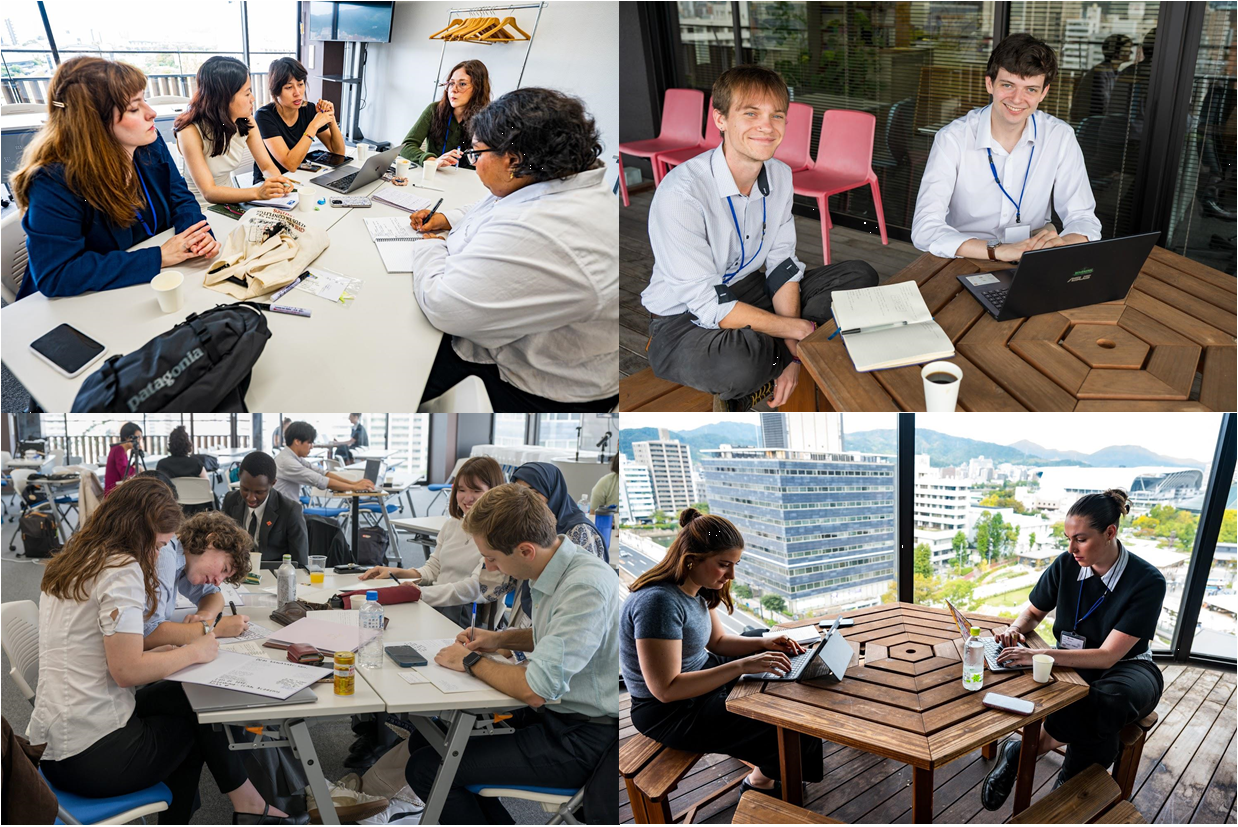 Preparations for the final presentation
The participants divided into three groups and engaged in active discussions about what had left a strong impression on them in Hiroshima, what they had learned, how they intended to apply those lessons in the future, and the content of their presentations.
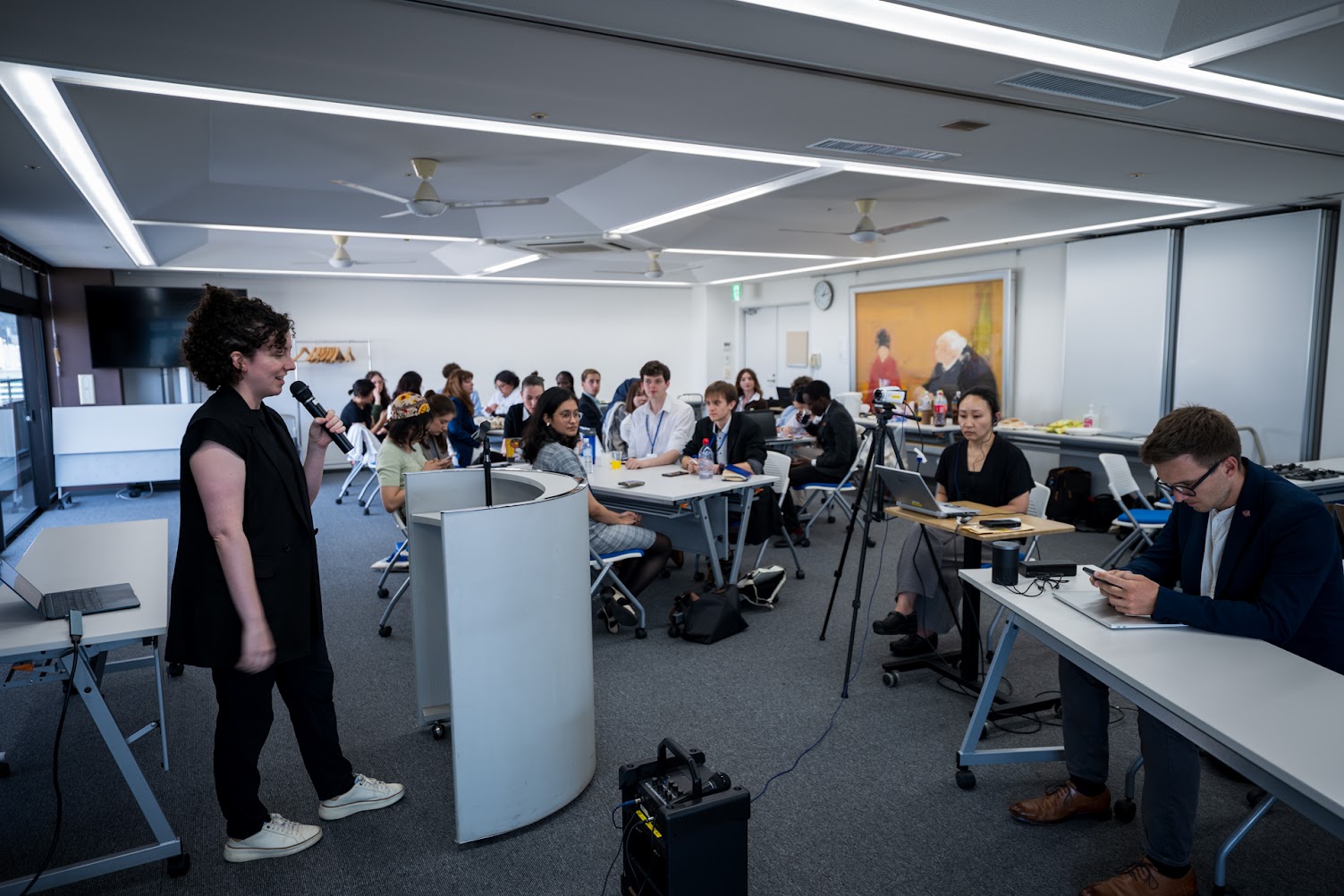
In the afternoon, the session for presenting learning outcomes was held as the culmination of the Hiroshima session. Each group delivered a presentation outlining key lessons learned in Hiroshima and concrete ways they plan to incorporate those lessons into their future activities.
【Group1】
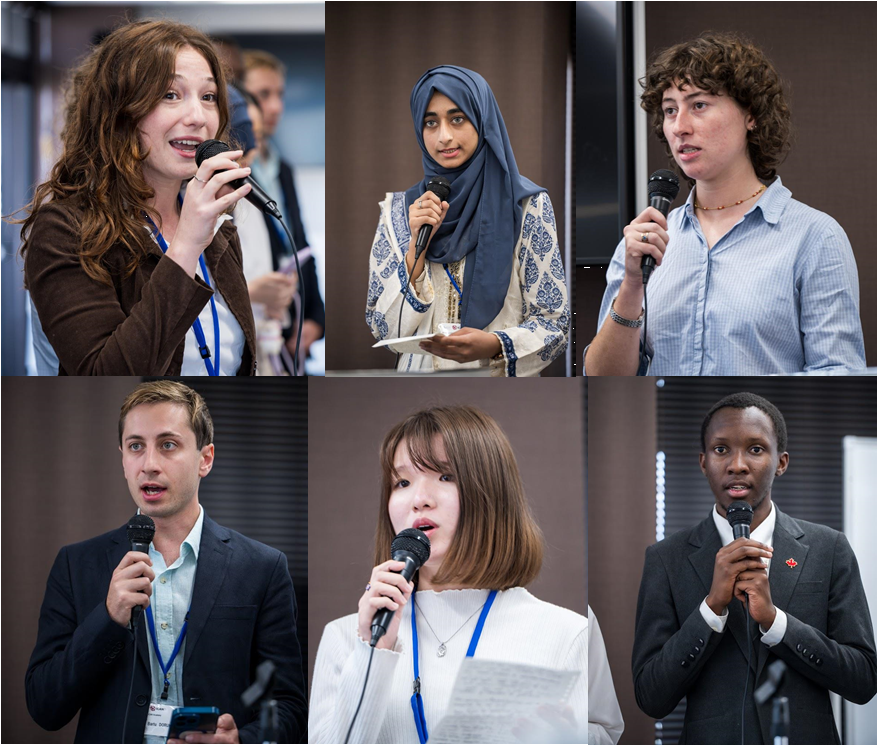
The first group reflected on what had left strong impressions during the Hiroshima session and outlined how they intend to apply their learning in future activities.
One participant, referring to how deeply they were impressed by Mr. Mitsuhiro Hayashida’s talk on the realities of the Nagasaki bombing and on hibaku taiken sha, expressed their aspiration to pursue humanitarian activities by deepening their understanding of the realities of the atomic bombings and the experiences of survivors in Hiroshima and Nagasaki, as well as the experiences of people exposed to radiation from nuclear testing, and by studying and applying methods for preserving and conveying the memory of the atomic bombings.
Another participant, drawing on Mr. Naomasa Hirao’s talk, highlighted that the impacts on in‑utero hibakusha with atomic‑bomb microcephaly, as well as the discrimination they faced, have been insufficiently recognized both historically and even today. They emphasized the need to communicate these experiences more widely and expressed their intention to engage in such efforts.
Taking these views together, the group underscored that the collective capacity of the 20 participants who gathered in Hiroshima is significant. They called for the cohort to take the lead in engaging their peers, advocating policy recommendations to governments, and sharing the testimonies of those affected by nuclear weapons and nuclear testing, thereby advancing work toward a future free of nuclear weapons.
【Group2】
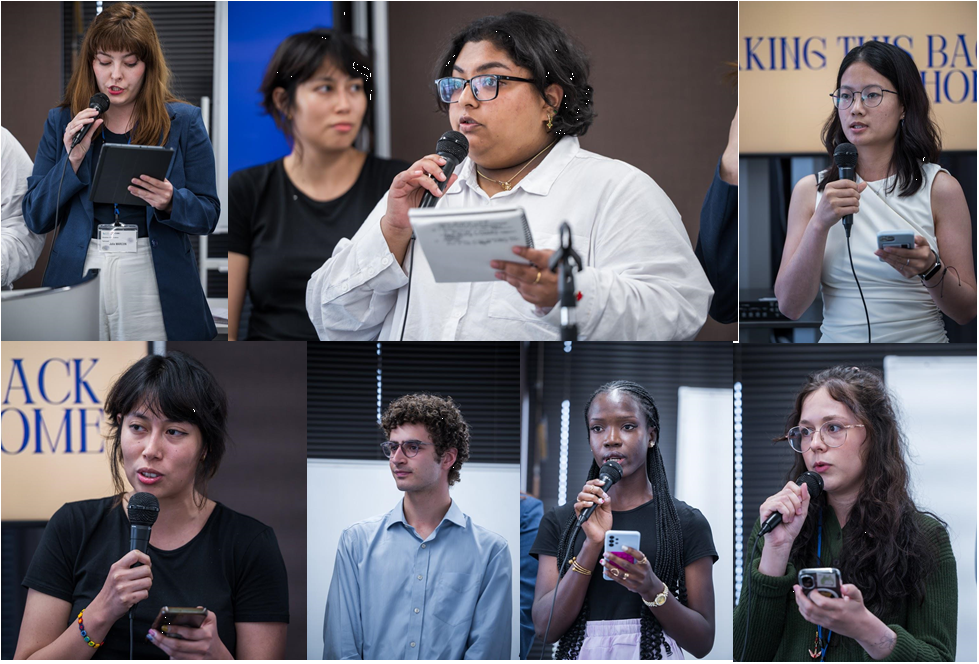
The second group gave presentations based on their experiences during this program in Hiroshima, discussing how these experiences differed from what they had previously learned about the atomic bombings in Hiroshima and Nagasaki, as well as the new insights they gained from visiting Hiroshima in person.
One participant referred to the testimonies shared by hibakusha during the session and noted that hibakusha include not only Japanese nationals but also people of other nationalities. They emphasized the importance of widely communicating the diverse experiences of the affected, including both the physical impacts of the bombing and the psychological effects caused by discrimination and other factors.
Another participant mentioned that, although their home country has signed the Treaty on the Prohibition of Nuclear Weapons and officially opposes nuclear weapons, there are still people who argue that the country should develop them. They stated their intention to actively share, after returning home, what they learned in Hiroshima about the inhumane nature of nuclear weapons through the testimonies of hibakusha and the various impacts of the atomic bombing.
A third participant reflected on hearing the account of an A-bomb legacy successor they had previously encountered in their home country and emphasized the significance of visiting Hiroshima and Nagasaki in person to hear testimonies firsthand. Building on these perspectives, the group stressed that the issue of nuclear weapons, which indiscriminately take human lives, concerns all of humanity. They concluded that addressing this challenge requires individual awareness and the cross-border dissemination of the realities of the atomic bombings in Hiroshima and Nagasaki.
【Group3】
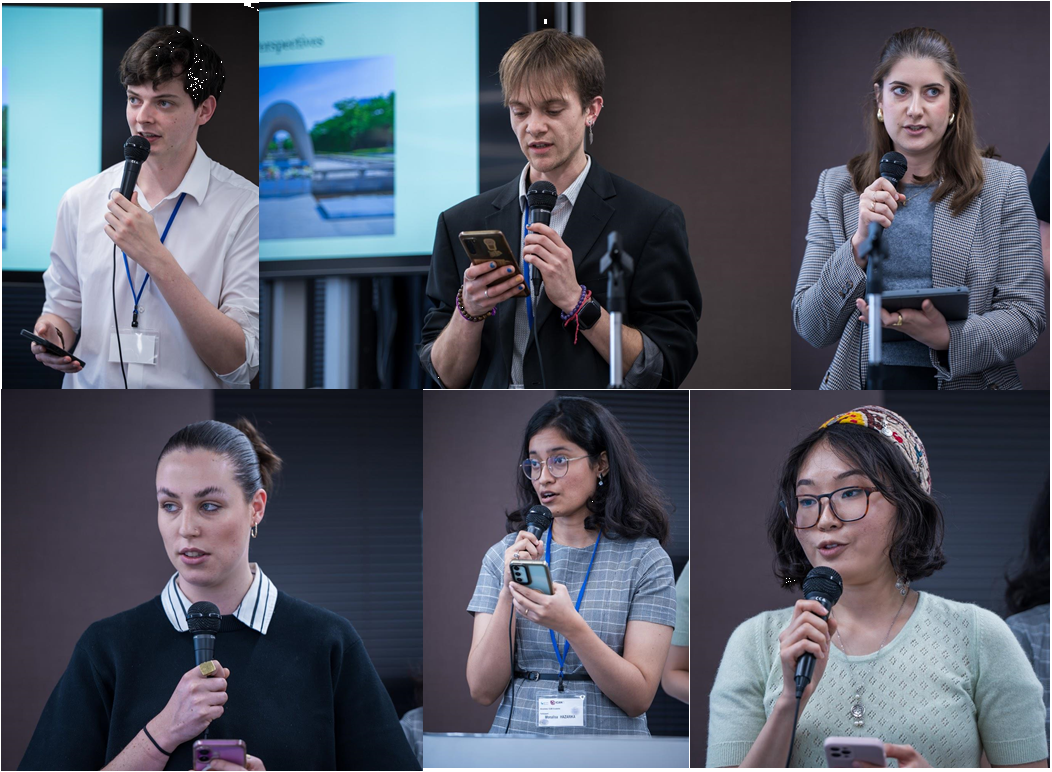
The third group focused on the importance of engaging with diverse perspectives.
One participant discussed differences in how people within Hiroshima Prefecture and those in other regions perceive the atomic bombing, as well as generational differences in attitudes toward the possession of nuclear weapons. They noted that societal perceptions of nuclear weapons can be shaped by how they choose to act and frame these issues.
Another participant emphasized that, when listening to the experiences of hibakusha, it is important to pay attention not only to the accounts themselves but also to the intentions and contexts behind them, as well as to how those experiences are conveyed and by whom.
A third participant noted that in their home country’s school education, the atomic bombings of Hiroshima and Nagasaki are seldom discussed in depth. They emphasized the need to look beyond the fact that many lives were lost on the day of the bombing and to draw attention to the long-term suffering that hibakusha have continued to endure, which remains insufficiently recognized in society. They stated that sharing these realities is essential for raising awareness of the inhumane nature of nuclear weapons.
A fourth participant reflected on learning about Hiroshima’s path to reconstruction and noted that this could serve as a source of hope for people living near nuclear test sites and others in similar circumstances in their home country. They expressed their intention to share what they had learned with their local communities upon returning home.
After all the group presentations concluded, feedback was provided by Ms. Florian Eblenkamp, ICAN Advocacy Coordinator, and Mr. Akira Kawasaki, ICAN International Steering Group Member and President.
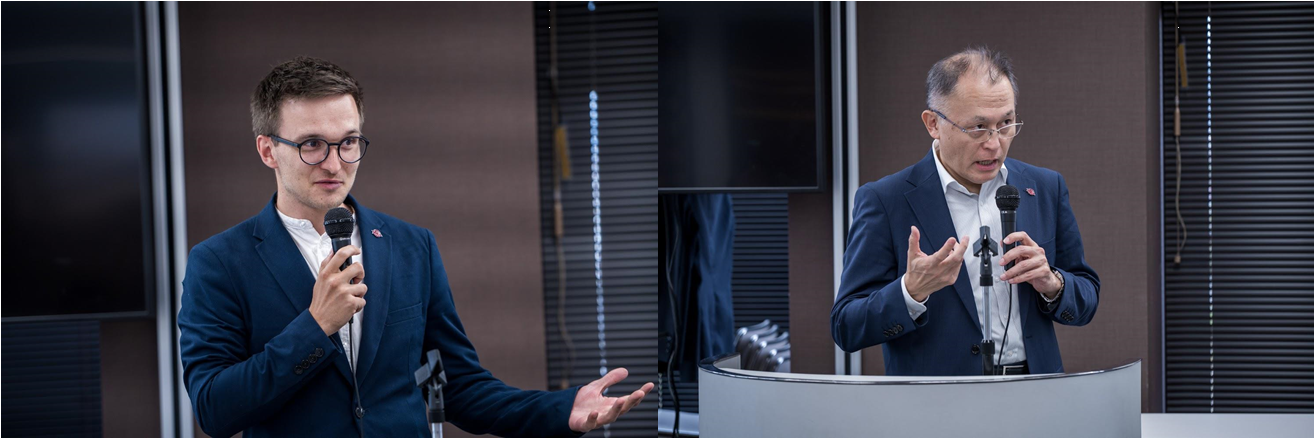
Mr. Eblenkamp expressed her appreciation to all participants for taking part in the Academy and remarked that she was deeply impressed by how young people, who had initially been strangers with diverse backgrounds and viewpoints, were able to form teams in a short period of time to present such thoughtful outcomes. Reflecting on the presentations, he noted that each one demonstrated a wide range of learning based on their experiences in Hiroshima. Emphasizing that the issue of nuclear weapons is not a predetermined fate, he underscored that the future can be shaped through collective action and highlighted the crucial role that young people can play in addressing this challenge. He encouraged participants to continue their engagement as members of ICAN even after the conclusion of the Academy.
Mr. Kawasaki commented that each presentation thoughtfully reflected the perspectives of the individual participants and their experiences in Hiroshima, and he described the presentations as outstanding. He added that the participants’ activities in Hiroshima would serve as an important foundation for their future work in the international arena, and he encouraged them to take concrete actions to engage policymakers and those who remain skeptical of nuclear abolition.
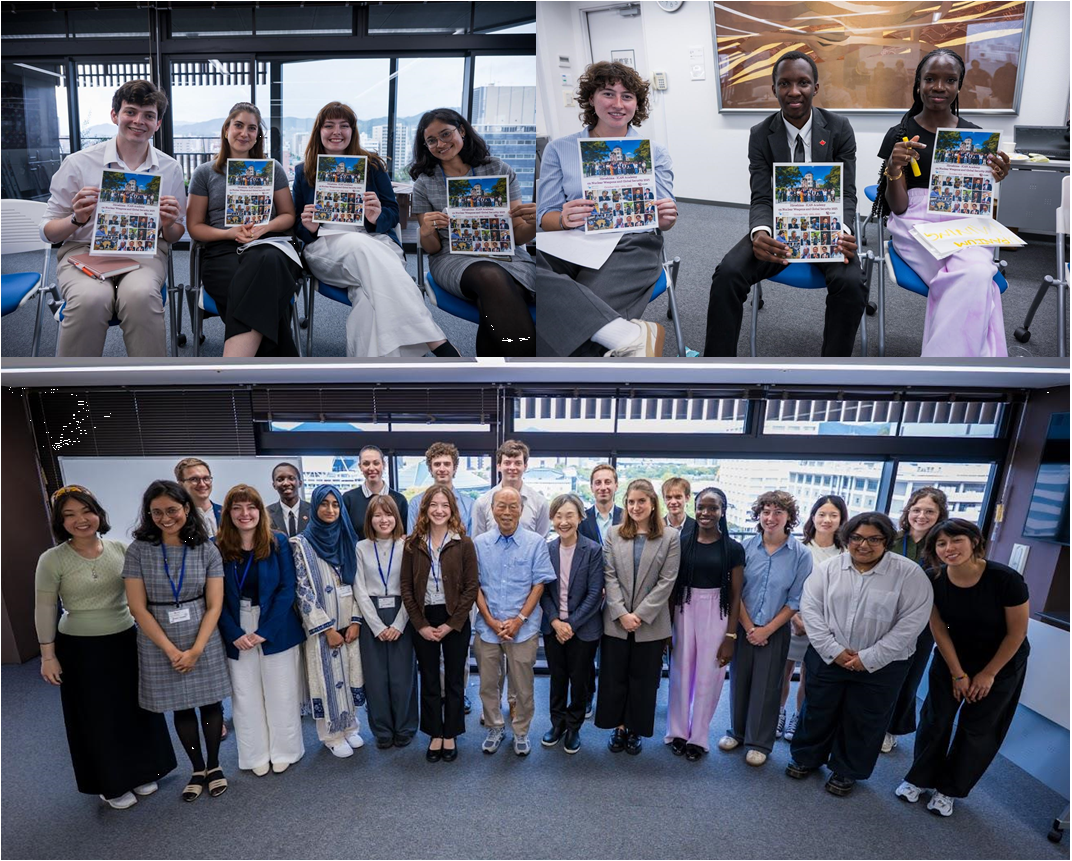
Reflecting on the program as a whole, one participant stated that visiting Hiroshima and engaging with hibakusha made them realize that Hiroshima’s leadership is indispensable in efforts toward nuclear abolition. Another participant shared that their visit to Hiroshima strengthened their resolve to continue passing on the city’s experiences so that they are not consigned to the past.
Return to the ICAN Academy Overview Page →