Research Results and
Recommendations for Download

To mark the 80th year of the atomic bombings, Hiroshima Prefecture and the Hiroshima Organization for Global Peace (HOPe) implemented the 80th Year Special Program: The world in 2045 -What we can do for a future without nuclear weapons- in collaboration with Hiroshima University and other institutions.
Purpose of the program
In August 1945, atomic bombs were dropped on Hiroshima and Nagasaki claiming countless lives and leaving survivors to endure the effects of radiation.
Eighty years later, amid worsening security circumstances, reliance on nuclear weapons is intensifying and divisions between nations are growing. Also, the aging of the atomic bomb survivors (hibakusha)—those who witnessed the reality of the atomic bombing —is accelerating.
Meanwhile, in order to move towards a world without nuclear weapons, it is crucial that the next generation, who have inherited the experiences and aspirations of the hibakusha, continue to work towards a world without nuclear weapons.
This program aims to collaborate with the Hiroshima University Peace Center and the University of Idaho in the United States. The program seeks to deepen young people's knowledge of the international situation and history surrounding nuclear weapons, as well as their understanding of the experiences and aspirations of hibakusha. Furthermore, the program aims to encourage them to advocate for a better future for humanity and to raise public awareness of nuclear weapons issues, creating a step towards a peaceful world without nuclear weapons.
As an outcome of the program, all participants worked together to simulate the worst-case scenario resulting from the use of nuclear weapons and suggest possible countermeasures.
Participants of the program
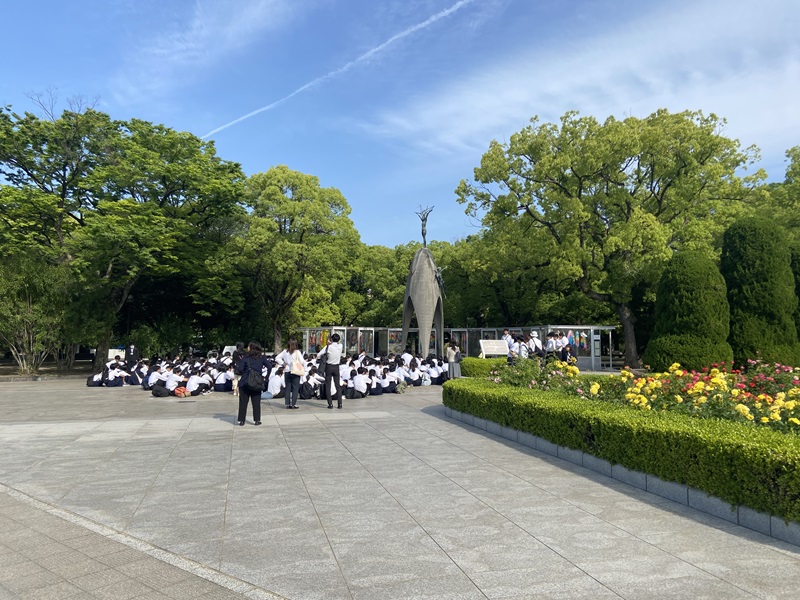
Ten high school and university students aged 15 to 20 from within and outside Hiroshima Prefecture participated in this program.
They had already encountered the testimony about the reality of the atomic bombing through interactions with hibakusha and other peace activities and had been actively learning about the reality of the bombing themselves. They participated in this program with a strong awareness of the importance of passing on this knowledge.
Detail of the program
The program was implemented in three phases. In the first phase, domestic experts in the nuclear weapons field were invited to conduct lectures and workshops on the current state of nuclear weapons. In the second phase, participants utilized the knowledge gained to exchange views with local university students and experts in the United States, a nuclear weapons state.
In the third phase, they developed the worst-case scenarios and countermeasures developed throughout the program. A public event was held on December 14, 2025 (Held in Japanese).
Acquisition of Expert Knowledge
(a) Period: Monday, August 25 to Friday, August 29, 2025
(b) Venue: Hiroshima City
(c) Content:
We invited experts in the nuclear weapons field to learn about the security environment surrounding nuclear weapons, the direct effects of their use, and simulations of scenarios involving nuclear weapon use.
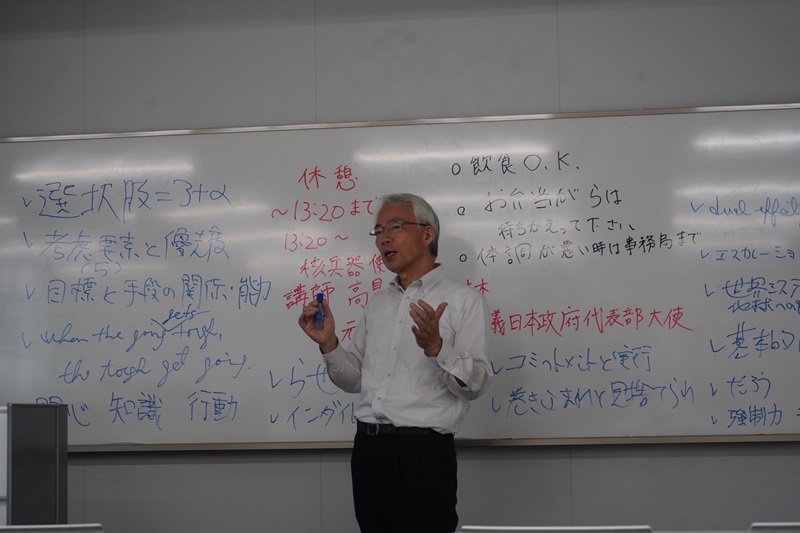
Participants also studied both the theory of nuclear deterrence and the Treaty on the Prohibition of Nuclear Weapons and norm formation.
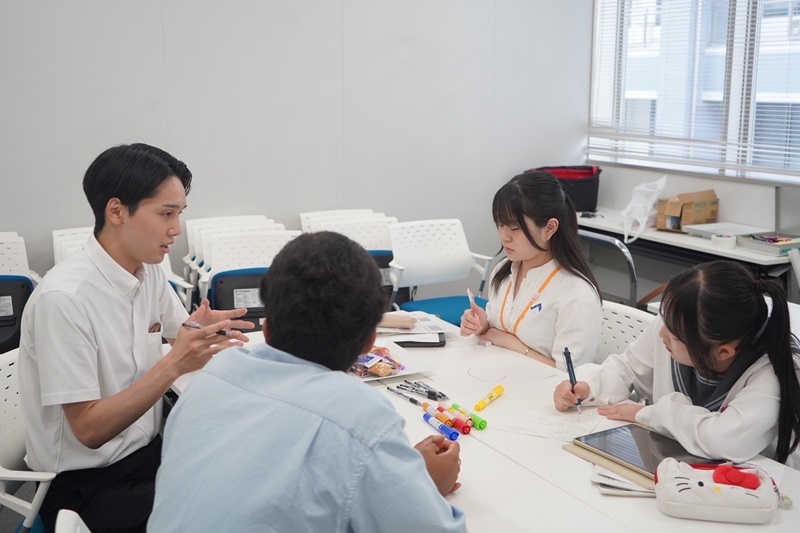
They conducted workshops, receiving advice from experts, to examine worst-case scenarios. Additionally, they learned how to use generative AI for applications such as worst-case scenario planning.
They also practiced discussing topics in English in preparation for field trip in the United States.
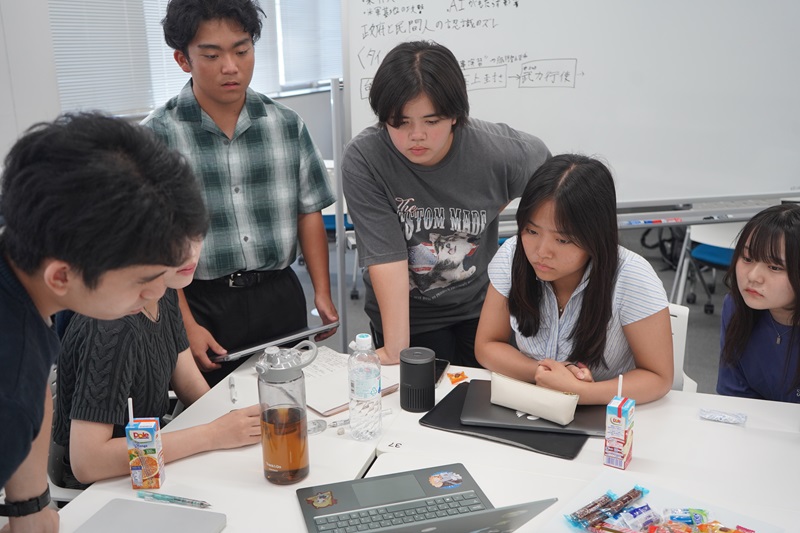
Regarding the simulation of worst-case scenarios, participants deepened their analysis by using what they learned.
|
Date |
Time |
Contents |
|
Monday, August 25 |
10:00-12:25 |
Opening, Icebreaking Utilizing Generative AI (Lecturer: SoftBank Corp.) |
|
13:20-15:40 |
Understanding the Global Situation, Security Environment, and Possibility of Nuclear Weapons Use
(Lecturer: Mr. Nobushige Takamizawa, Former Ambassador, Permanent Mission of Japan to the Conference on Disarmament) |
|
|
Tuesday, August 26 |
9:00-11:30 |
Direct Effects of Nuclear Weapons Use (Lecturer: Professor Noriyuki Kawano, Hiroshima University Peace Center) |
|
12:30-15:00 |
Possible Consequences of Nuclear Weapons Use (Lecturer: Former Director, Nagasaki University Research Center for Nuclear Weapons Abolition (RECNA) Professor Tatsujiro Suzuki) |
|
|
Wednesday, August 27 |
10:00-12:20 |
Practice for Workshop with University of Idaho Students (English) (Instructor: Ms. Annalise Giseburt) |
|
13:20-15:40 |
Workshop for scenario development |
|
|
Thursday, August 28 |
10:00-12:20 |
Current Status and Challenges in Nuclear Disarmament and Non-Proliferation
(Lecturer: Professor Mitsuru Nishida, Faculty of Multicultural Studies, Nagasaki University) |
|
13:20-15:40 |
The Treaty on the Prohibition of Nuclear Weapons and the Perspective of Norm Formation
(Lecturer: Mr. Akira Kawasaki, Member of the Executive Committee of Peace Boat and International Steering Group member of the ICAN |
|
|
Friday, August 29 |
110:00-11:40 |
Review of Nuclear Disarmament and Non-Proliferation Discussions, Scenario Analysis, etc. |
|
12:40-14:20 |
Review of Nuclear Disarmament and Non-Proliferation Discussions, Scenario Analysis, etc. |
Overseas fieldtrip (Exchange of Views on International Situation and Policies Regarding Nuclear Weapons Issues)
(a) Period: Sunday, September 14 to Sunday, September 21, 2025
(b) Venue: Moscow & Washinton D.C., United States
(c) Content:
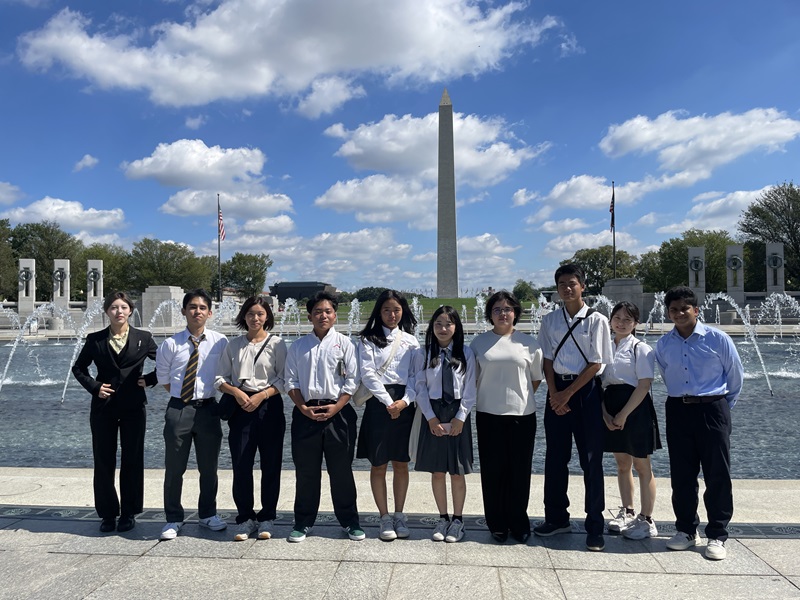
In the United States, a nuclear weapons state, participants visited the University of Idaho. They shared their understanding of nuclear weapons through lectures and workshops conducted alongside local university students.
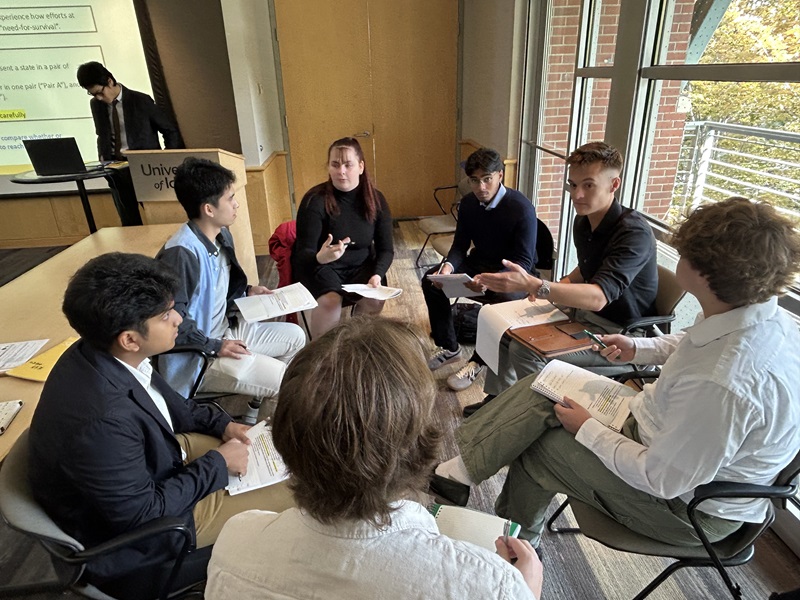
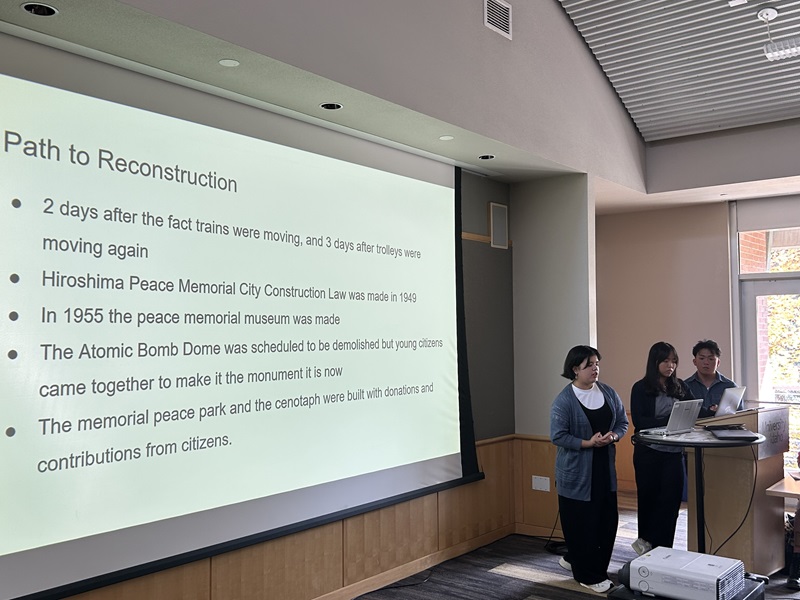
Since some Idaho students had never heard about the Hiroshima atomic bombing before, on the second day, participants held presentations by volunteers about the realities of the atomic bombing and presentations on what they had learned in their current programs.
They also visited four thinktanks that study nuclear weapons and hold different positions, exchanging views on the current global situation and their respective stances on nuclear weapons.
Exposed to perspectives rarely encountered in Japan, each participant actively voiced their own thoughts and questions.
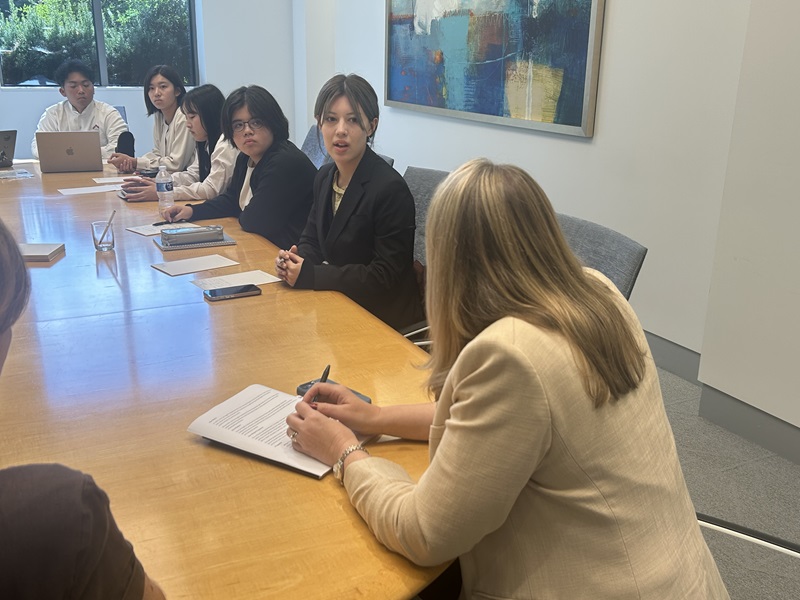
Drawing on these exchanges, they also advanced the development of worst-case scenario.
|
Date |
City |
Contents |
|
|
September 14, 2025 |
Travel from Japan (Hiroshima/Tokyo) to the United States (Moscow, Idaho) |
||
|
September 15, 2025 |
Moscow, Idaho |
Short Presentation by faculties of the Idaho University |
|
|
September 16, 2025 |
Japan-U.S. Youth Joint Workshop (Presentations and Discussions) |
||
|
September 17, 2025 |
Domestic Travel in the U.S. (Moscow → Washington, D.C.) |
||
|
September 18, 2025 |
Washinton D.C. |
・Visits to Think Tanks 〇Arms Control Association 〇Carnegie Endowment for International Peace 〇Nuclear Threat Initiative(NTI) ・Development of worst-case scenario |
|
|
September 19, 2025 |
Washinton D.C. |
・Visits to Think Tanks 〇Hudson Institute ・Visit to Steven F. Udvar-Hazy Center (Enola Gay) ・Development of worst-case scenario |
|
|
September 20, 2025 |
Travel from the United States to Japan |
||
|
September 21, 2025 |
|||
Dissemination
Participants continued to share information about the worst-case scenario developed through the program and the countermeasures to avoid them.
On December 14th, 2025, Hiroshima Prefecture and HOPe held a public event for the opportunity to allow participants to share their results, inviting young people working on nuclear weapons issues both within and outside the Hiroshima prefecture (Held in Japanese).